Your lender sent a closing list, and one line says you need a survey. That word can mean a few different things. The one you order decides what your lender and title company will accept.
A loan closing survey is a survey done while you buy a property. It helps the lender and title company see if the land on the ground matches the land in the loan papers. A wrong pick can cost you time you don’t have.
Two things should guide your choice. The first is what your lender and title company ask for in writing. The second is the property, since an older lot with a canal out back needs a closer look than a newer home in a subdivision.
Match the Loan Closing Survey to the Purchase
The right survey depends on what you’re buying. A home on a lot in a subdivision often needs a simpler survey than a small store building. Survey firms also use different names, so ask what each one includes before you compare prices.
Most purchase surveys fit into one of these groups:
- A mortgage survey shows where the house, garage and other buildings sit on the lot. Some don’t mark the corners of the land.
- A boundary survey finds the property lines and marks the corners on the ground.
- An ALTA/NSPS Land Title Survey follows national rules and gives lenders a very detailed look at the land.
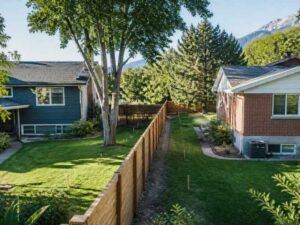
Think about your plans after closing, too. You may want to add a fence or build an addition someday. A boundary survey now can help with both the closing and that later project. Ask the surveyor if the price includes marking the corners, because that one detail makes a big difference.
Confirm What Your Lender and Title Team Actually Require
Your lender and your title company each want a survey for their own reasons. They don’t always ask for the same thing. It pays to check with both.
The lender wants to know the house sits on the land that backs the loan. The title company uses the survey for your title policy. That policy protects you if someone later claims a right to your land.
Most title policies start with a survey exception. This is a line that says the policy won’t cover problems a survey would have shown. You’ll find it in a part of the title papers called Schedule B. Ask the title officer what kind of survey they need to take that line out or make it smaller.
Get the lender’s rules in writing as well. Some lenders just want their name on the survey. Others want certain wording or a survey done within a set number of days before closing. Rules change from lender to lender, so don’t count on what worked for a friend.
Check Whether the Property Creates a More Complex Survey Need
Some properties need more than a quick check. Watch for fences or sheds close to the line. A shared driveway is another sign. So is a room added long after the house went up.
Old deeds can also make a survey harder. Some describe the land by distances and directions instead of by a lot number on a map. A surveyor has to follow those old lines on the ground, and that takes more research.
Salt Lake City has a few local things to watch. Canals and ditches still run through parts of the valley. A ditch along or across a lot may give someone else the right to use part of it. Homes on the hillside benches can have steep slopes and retaining walls near the line, and the survey should show how those sit next to the boundary.
Old survey records can help. Under Utah law, a surveyor who sets or restores property corners files a map of that work with the county surveyor. The Salt Lake County Surveyor’s office keeps these maps. Your surveyor may look at past surveys of your lot and nearby lots.
Know When an ALTA Survey Is the Better Fit
An ALTA survey usually fits business properties and apartment buildings. It also fits empty land that someone plans to build on. Lenders on these deals often want the extra detail.
Two national groups set the rules for this survey. One is the American Land Title Association. The other is the National Society of Professional Surveyors.
An ALTA survey shows the property lines, buildings, driveways and recorded easements. An easement is a right someone else has to use part of your land, like a utility line. The survey also has a list of extra items called Table A. The lender picks items such as flood zone details or parking counts, and each one adds work.
Most home buyers don’t need an ALTA survey. A lender may still ask for one on a large or unusual home property. If you order one, send the lender’s Table A list to the surveyor before the crew heads out. Adding items late can mean a second trip.
Settle the Survey Scope Before the Closing Schedule Tightens
Order the survey as soon as you sign the contract and get your title papers. The surveyor needs those papers to show easements the right way. The time it takes depends on the survey type, the size of the land and how busy the firm is, so ask for a real delivery date up front.
Send the surveyor everything at once. Include the contract, the land description, the title papers and the lender’s survey rules. Tell them about locked gates, dogs or renters so the crew can reach every corner on the first visit.
Utah’s standard home purchase contract has a due diligence deadline. That’s the date to finish checking the property. Talk with your agent about getting the survey back before that date so you have time to ask questions.